Home & Garden
DIY Home Maintenance
DIY Home Maintenance for Smarter Upgrades and Better Living
Taking care of your home doesn’t need to be hard. With a few basic tools and some simple steps, you can fix small issues before they turn into big problems. You don’t have to be an expert. Anyone can handle basic DIY home maintenance like sealing up drafts, updating fixtures, or giving a room a fresh coat of paint.
This guide will walk you through easy projects that make your home more comfortable, safer, and better-looking. You’ll also save money by doing it yourself. You don’t need to do it all at once. Even small fixes can improve your space.
1. Garage Door Refresh for Your DIY Home
Your garage door takes up a big part of your home’s front. It’s one of the first things people notice. If it looks clean and well-kept, your whole home feels more welcoming. But if it’s faded, dented, or dirty, it can pull down the look of everything else around it. Over time, garage doors collect dust, rust, and wear from sun and weather. The paint starts to peel. The edges might sag. Even if the door still works fine, it might not look its best. That’s why a quick refresh makes such a difference.
Solution: Start by washing the garage door with mild soap and water. Let it dry fully. If the paint is chipped or fading, sand the rough spots and apply a new coat of exterior paint. Choose a color that works well with your home’s trim or siding. You can also add simple, stick-on hardware like faux hinges or decorative handles.
These small touches give it a new look without needing tools. Check the bottom seal too. If it’s worn or letting in dirt and wind, replace it with a new one. It helps keep your garage clean and better sealed. If the door opener is old or noisy, consider replacing it. A newer model runs quietly and some let you control it from your phone. It adds both style and function. Small updates like these don’t take much time or money but they make a big impact on how your home looks from the outside.
Recommended Product:
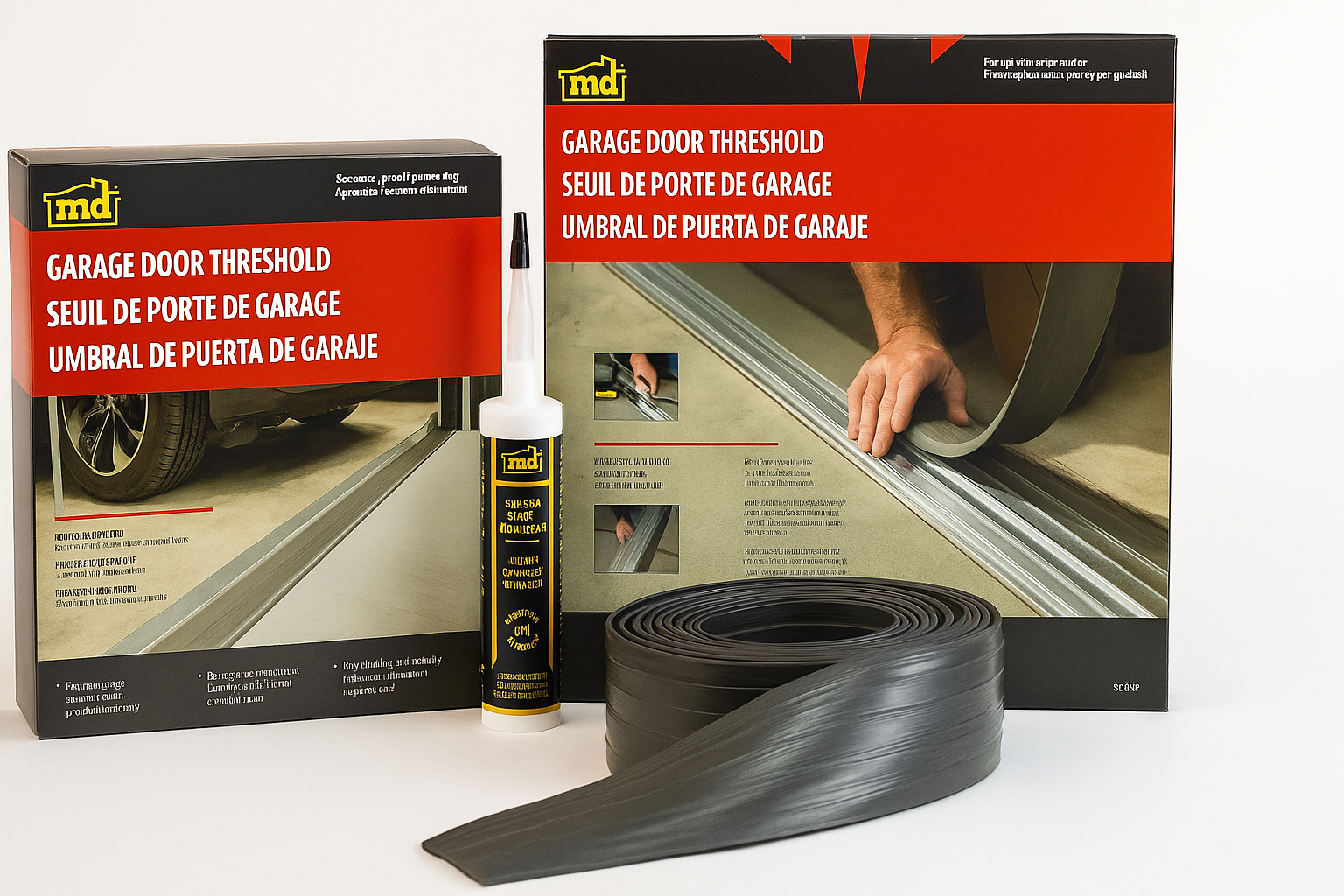
M-D Building Products Garage Door Bottom Seal – This easy to install seal blocks cold air, dust, and pests, keeping your garage cleaner and more energy-efficient. One small change can go a long way in improving your garage door’s function. If you’ve noticed leaves, dirt, or cold air sneaking in from under the door, the bottom seal might be worn out. Replacing it is a quick DIY fix that helps protect your space and saves on heating or cooling costs.
This simple upgrade takes just a few minutes but makes a big difference. It keeps your garage sealed tight and helps your home stay more efficient and clean all without needing special tools or help.
2. Fresh Coat of Paint for Your DIY Home
Walls go through a lot. Over time, they get scuffed, faded, or stained. A fresh coat of paint can make any room feel clean and new again. It’s one of the easiest ways to update your space without much cost. You don’t need to be a pro to do it right. With a little prep and the right supplies, painting is a simple DIY task anyone can handle.
Solution: Start by wiping down the walls to remove dust and dirt. Patch any small holes or cracks with filler. Once dry, sand the area smooth. Before painting, use painter’s tape around edges and trim. Apply a primer if the wall has stains or if you’re changing from a dark to a light color. Then roll on your topcoat using smooth, even strokes. Let it dry fully before adding a second coat. Choose a color that matches the room’s light and size. Soft neutrals make spaces feel open, while darker tones add warmth and depth.
Recommended Product:
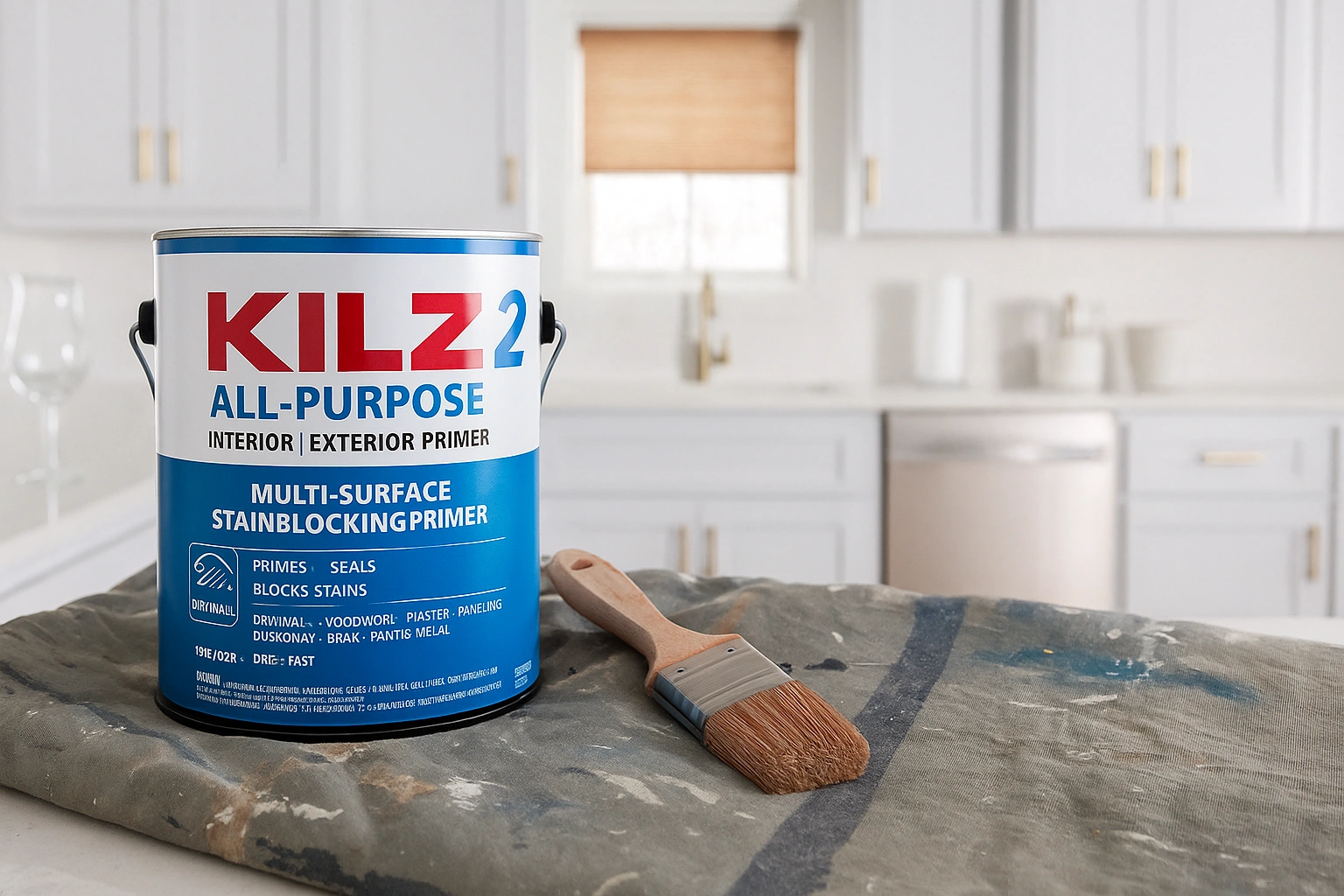
KILZ 2 All-Purpose Primer – This primer helps paint stick better, covers old stains, and creates a clean surface for a smooth finish. Before painting, it’s important to prime the walls. This product works on drywall, wood, and even glossy surfaces. It dries fast and helps your paint job last longer.
Using a good primer means you’ll get better color and fewer touch-ups later. It’s a small step that makes your DIY paint project easier and cleaner in the long run.
3. Seal Windows and Doors – A Smart DIY Home Improvement
Even in a well-built home, small gaps can let in outside air. Over time, these drafts make your space less comfortable and raise your energy bills. You might feel cold spots near windows or notice your heater running more often. Air leaks are common around window frames, door edges, and baseboards. These small openings let heat escape in winter and bring in hot air during summer. Luckily, sealing them is simple and it makes a big difference.
Solution: Start by checking for leaks. On a cool day, run your hand along the edges of doors and windows. If you feel a draft, it’s time to seal. Use weatherstripping for doors and windows that open and close. For cracks around the frame, apply a bead of silicone caulk. Smooth it out with your finger or a caulking tool. Make sure the area is clean and dry before you start.
Don’t forget the door bottoms. If air is coming in underneath, add a door sweep or replace the old one. These fixes help your home stay warmer in winter, cooler in summer, and cost less to heat or cool.
Recommended Product:
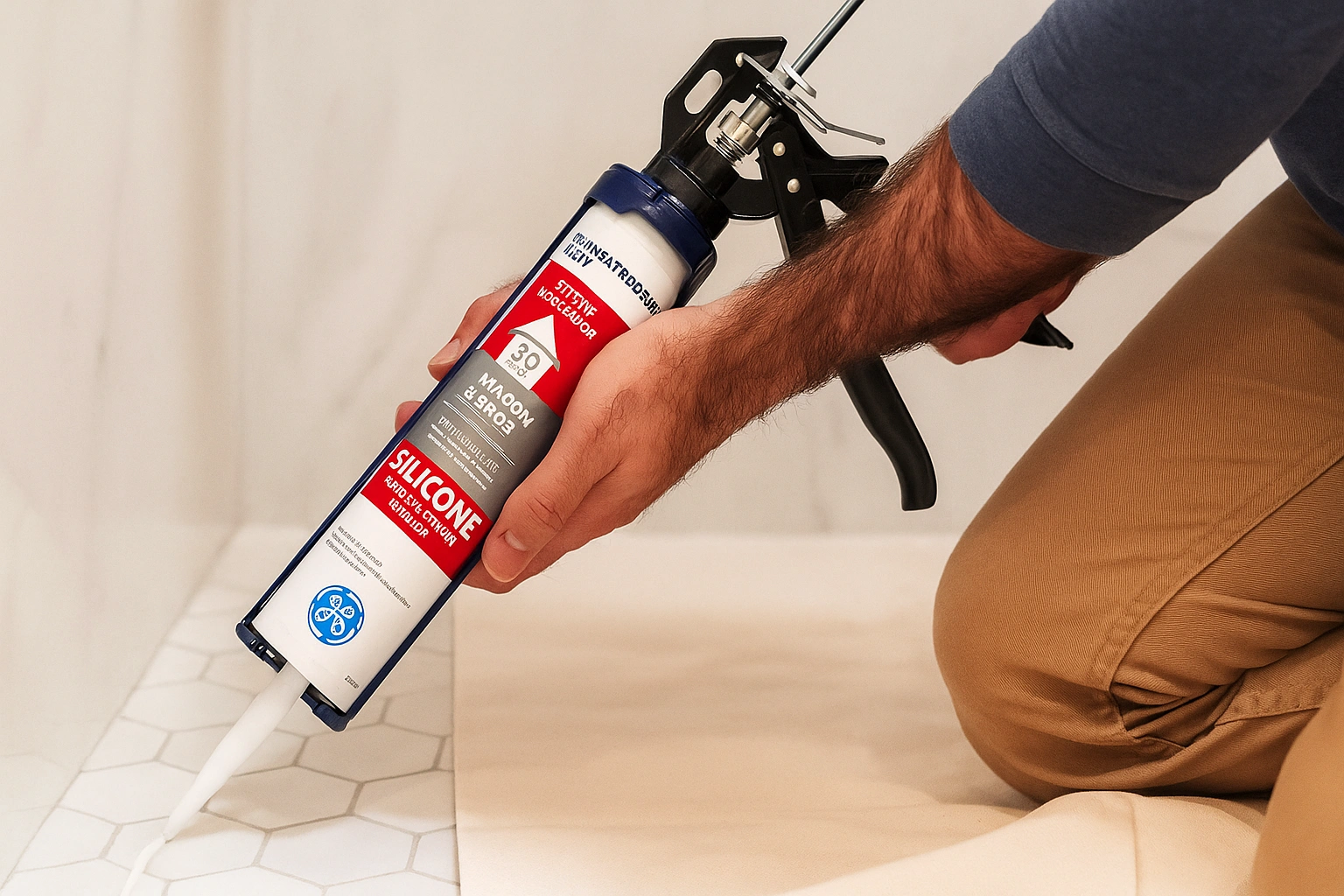
GE Advanced Silicone Window & Door Sealant – A flexible, waterproof sealant perfect for filling small cracks around windows and doors for a tighter, more efficient home. If you feel a draft or see light coming through the edges of a window or door, that’s a sign of air leaks. These gaps are small but can make a big difference in your energy use. This silicone sealant is made to handle those problem spots. It sticks well, holds up in bad weather, and won’t crack or peel over time.
This is one of the easiest DIY home improvements you can do. It takes just a few minutes to apply, and once it dries, you’ll notice fewer drafts and a more comfortable space. It’s a quick fix that saves energy and adds peace of mind.
4. Brighten Up with New Fixtures for Your DIY Home
Lighting can change the way your home feels. A dark room might look small or dull, even if everything else is clean and updated. Just changing a fixture or bulb can make the space feel warmer, bigger, and more welcoming. Old light fixtures also waste energy. Many use more power than needed. New options last longer and cost less to run.
Solution: Start by looking at the rooms you use most the kitchen, living room, or hallway. If the lighting feels dim or uneven, it might be time for a change. You don’t need to rewire anything. Most light fixtures and bulbs are easy to swap out with basic tools. Choose something that matches your style and lights the space well.
Use warm bulbs in cozy rooms like bedrooms, and bright ones where you need to work or cook. If you want more control, smart bulbs let you dim the lights or change colors from your phone. This helps save energy and makes it easy to adjust lighting for any time of day.
Recommended Product:
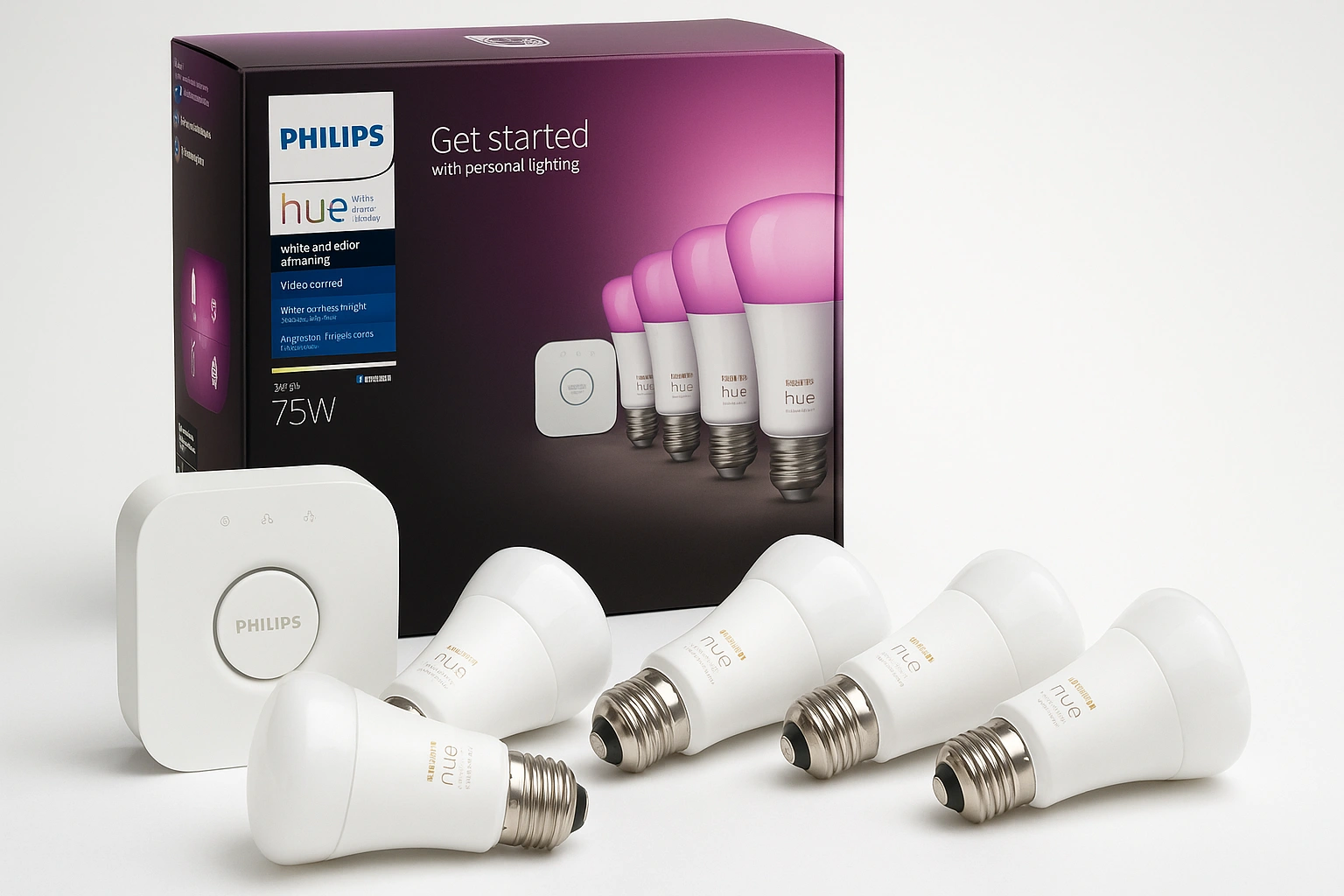
Philips Hue White & Color Ambiance Smart Bulb – A simple bulb that gives you control over brightness and color using your phone. This bulb works with most standard fixtures. You can make it warmer or cooler, dim it for movie night, or brighten things up when you’re working. It’s easy to install and doesn’t need extra wiring.
This small upgrade makes a big difference. It adds comfort, saves energy, and gives you more control over the feel of your space all with a single bulb.
5. Clean and Maintain Floors for Your DIY Home
Floors take a beating every day. Dirt, spills, and heavy foot traffic wear them down over time. If you don’t take care of them, they lose their shine and may need costly repairs. Regular cleaning helps your floors last longer. It also keeps your home looking neat and feeling fresh.
Solution: Sweep or vacuum high-traffic areas often. Use mats near entry doors to catch dirt and moisture. For hard floors, mop with the right cleaner. Be sure to use products safe for your floor type wood, tile, or laminate. For deep cleaning, steam works well. It pulls out grime without harsh chemicals and helps kill germs.
If your floors have small scratches or dull spots, use a restorer or touch-up kit to bring back the shine. Keeping up with these simple habits will protect your floors and make daily cleanup easier.
Recommended Product
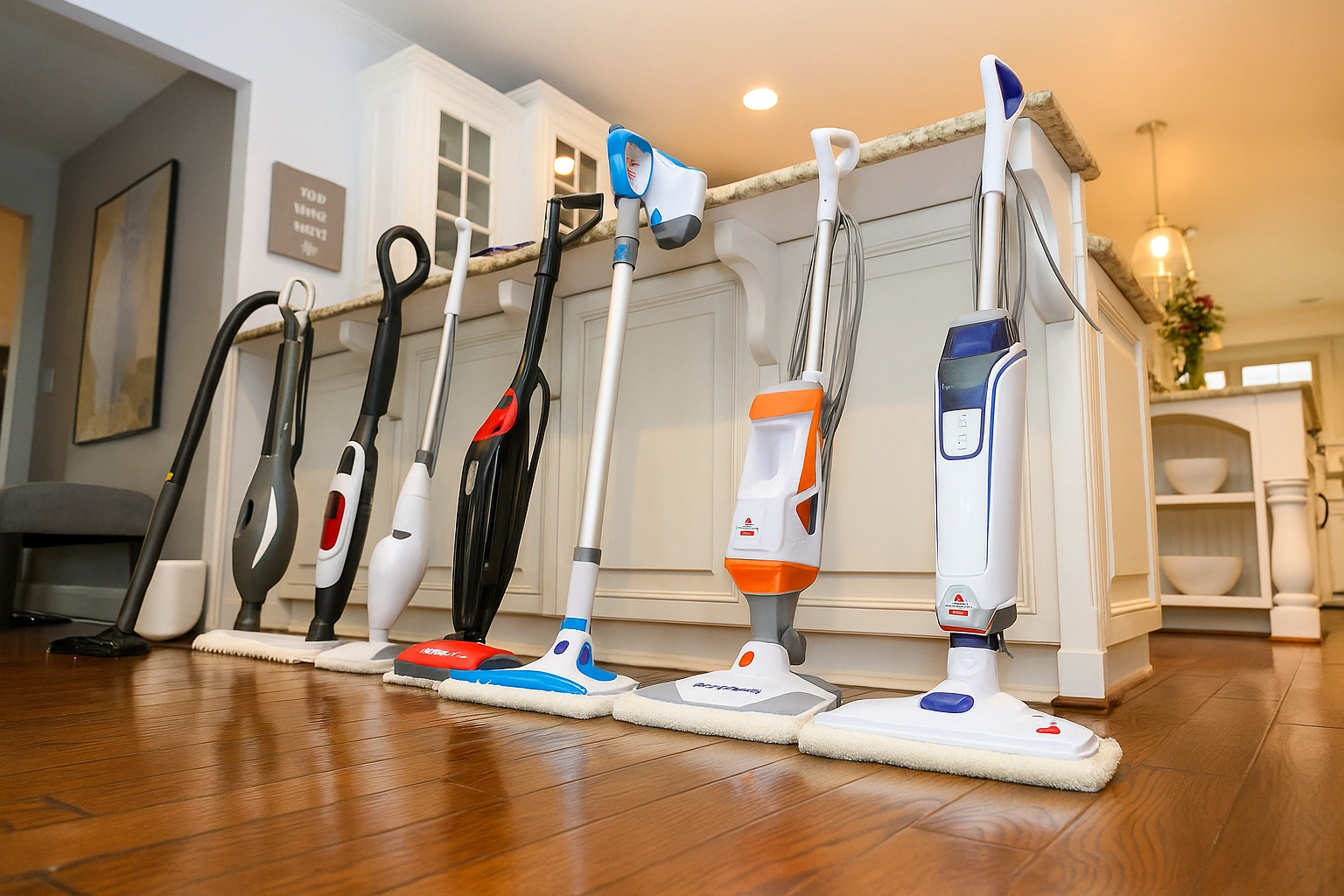
BISSELL PowerFresh Steam Mop – It deep cleans sealed hardwood and tile floors using only steam — no harsh chemicals. Great for busy households. This mop heats up quickly and uses steam to break down dirt and sticky messes. It’s safe for most sealed hard floors and leaves no residue behind.
If you want clean floors without using chemicals, this mop is a solid choice. It’s easy to use, works fast, and helps your floors look fresh every day.
6. Refresh Bathroom Fixtures Without a Full Renovation
Bathrooms don’t always need a full remodel. Sometimes, just changing one thing can make the space feel cleaner, newer, and easier to use. Old fixtures wear out over time. Water flow gets weaker. Finishes fade or collect buildup. Replacing them takes less effort than you might think and it can save water too.
Solution: Look at what feels worn or outdated. A new showerhead, faucet, or towel bar can change how the room looks and works. Most modern fixtures are designed for easy DIY install. You’ll usually just need a wrench and some thread tape. If your showerhead is old or clogged, replace it with a newer model that’s both stylish and efficient.
Choose items that match your space. Brushed nickel, chrome, or matte black are all good options that go with most bathrooms. Small upgrades like these are quick and make daily routines feel better.
Recommended Product
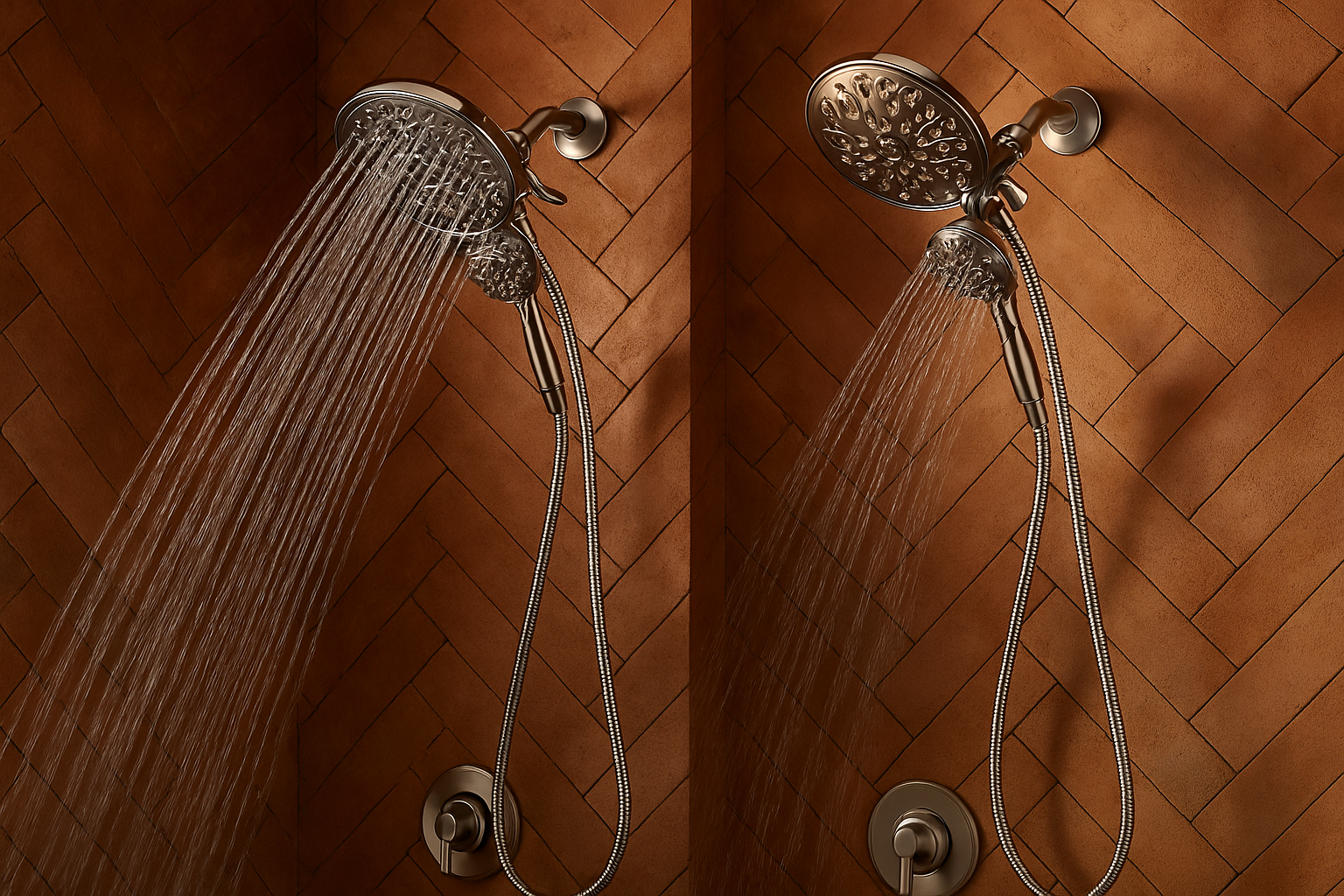
Moen Magnetix Handheld Showerhead – A powerful yet water-saving showerhead with magnetic docking, easy installation, and multiple spray options. This showerhead installs in minutes and connects without hassle. It snaps into place with a magnet and has settings for full spray, massage, and rinse.
It’s a simple upgrade that feels like a luxury. You’ll get better water pressure, use less water, and enjoy a better shower every day all without remodeling anything.
7. Declutter and Organize for Your DIY Home
Clutter builds up fast. When things don’t have a place, even a big room can feel cramped. Clearing out unused items and using smart storage makes your home feel more open and easier to live in. You don’t need to buy new furniture or tear down walls. A few small changes can give you more space and less stress.
Solution: Start with one area maybe a closet, entryway, or kitchen shelf. Empty it out, sort what you use, and get rid of what you don’t. Use bins, hooks, and racks to keep things in place. Go vertical where you can. Over-the-door organizers, wall shelves, and hanging baskets help you store more without using floor space.
Stick to simple rules. If you haven’t used something in a year, you probably don’t need it. A little effort now saves time and energy later.
Recommended Product
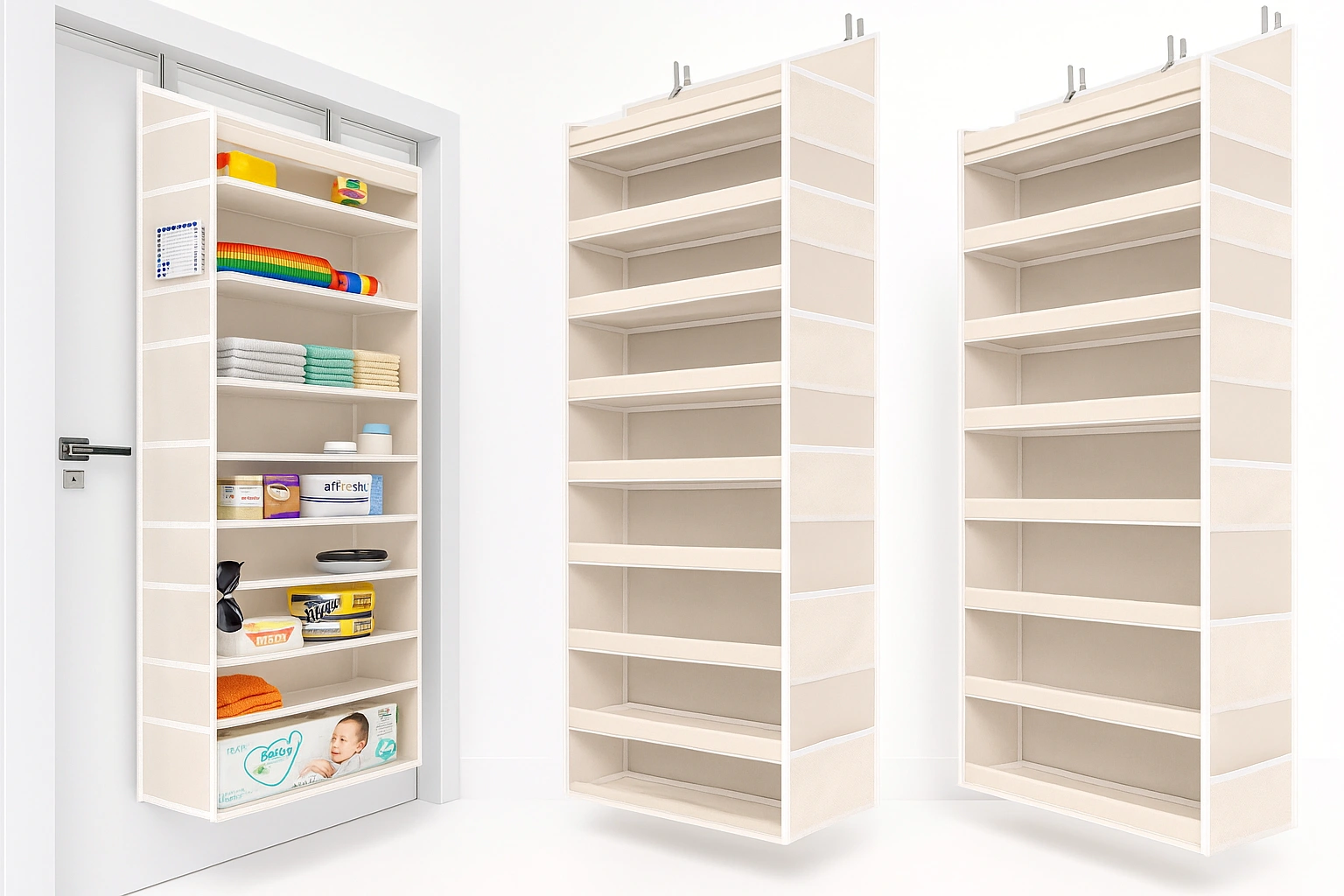
SimpleHouseware Over-the-Door Organizer – A quick way to add storage to pantries, closets, or bathrooms without using floor space. This organizer hangs on any standard door and gives you instant shelves for shoes, snacks, supplies, or toiletries. No tools needed.
It’s an easy way to create space where you had none. Clean up clutter, stay organized, and make your home feel lighter with this simple fix.
Stick to a Seasonal Maintenance Schedule Year-Round
Taking care of your home through the seasons doesn’t have to be hard. A few simple tasks each month can prevent bigger problems down the road. It’s easier to clean a gutter now than deal with water damage later. It’s cheaper to seal a draft than pay high heating bills all winter.
When you follow a seasonal routine, your home stays in better shape. You save money, catch small issues early, and avoid the stress of last-minute repairs. Over time, these habits give you more peace of mind. You’re not just reacting you’re staying ahead.
You don’t need a long list. Just focus on what matters most each season. Clear the leaves in fall. Check the furnace before winter. Look for leaks in spring. Service your AC in summer. Doing a little at a time keeps things manageable. Your home takes care of you every day. A simple seasonal schedule is how you take care of it in return. Explore more DIY essentials. Visit our Home & Garden section for curated tools, fixtures, and smart upgrades.
FAQs About DIY Home Maintenance
1. What’s the easiest DIY project to start with?
Sealing windows and doors is a simple fix with big energy savings.
2. How often should I check my home?
Use a seasonal checklist and do small monthly checkups for quick fixes.
3. Do I need experience for these tasks?
Nope. Most are beginner-friendly with basic tools and a little time.
4. What’s the most useful tool for DIYers?
A cordless drill it works for dozens of fixes, installs, and upgrades.
5. How can I stay on top of maintenance?
Use a calendar or checklist. Start small and build momentum over time.