
Home & Garden
Best Ergonomic Office Chairs Under $300 for Working From Home in 2026
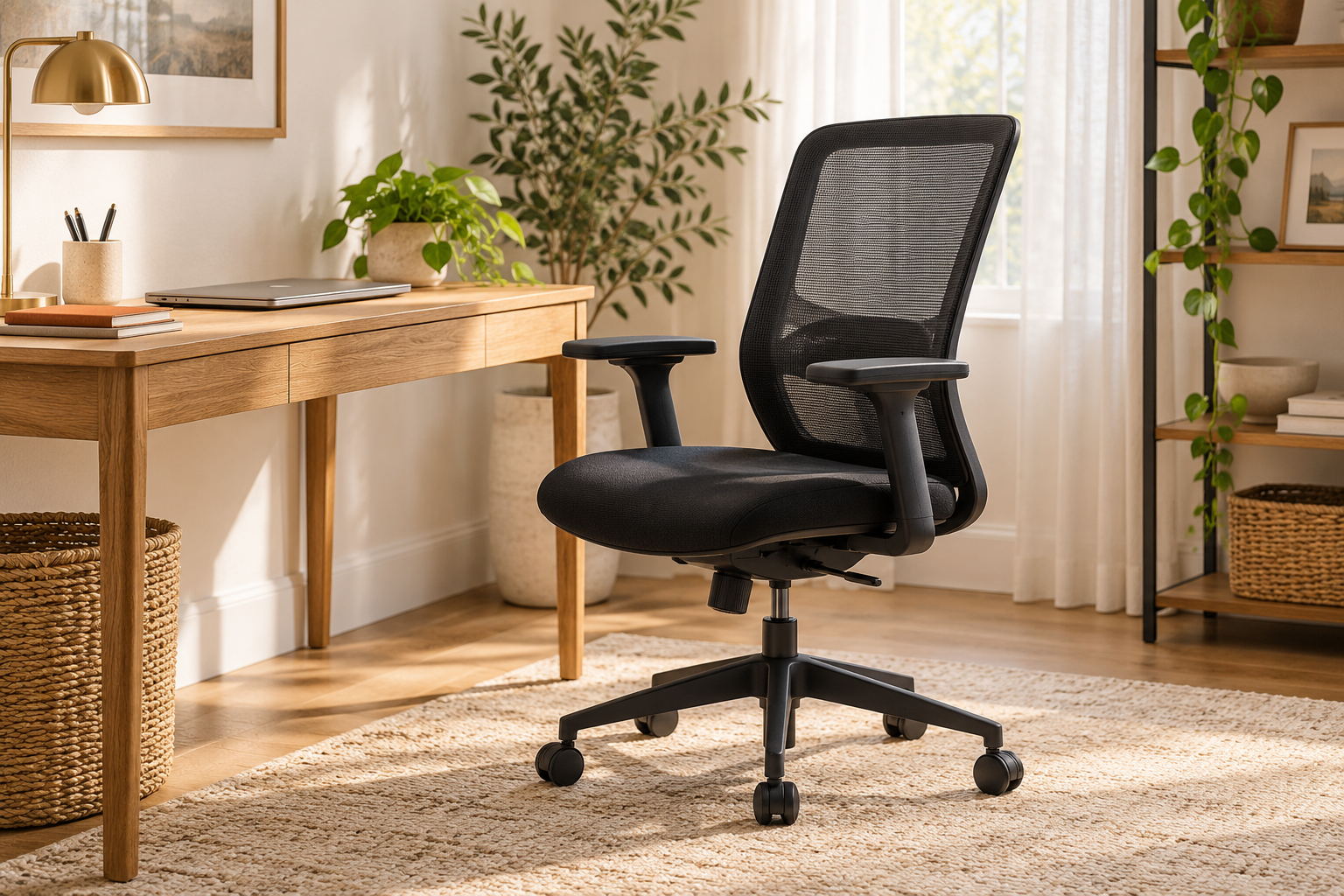
The best ergonomic office chair under $300 is the one you can adjust to your body and desk. A long feature list is less useful than a seat that lets you reach the keyboard comfortably, keep your feet supported, and move between working positions without fighting the chair.
For 2026, our research shortlist covers three budgets: the FlexiSpot C7 for adjustability when the eligible configuration is below $300, the IKEA MARKUS for a high-back design, and the IKEA FLINTAN for a lower-cost home-office setup. Each makes different compromises in lumbar support, materials, and adjustment range.
How we compared: this guide uses manufacturer specifications and US storefront information checked on October 21, 2026. We have not hands-on tested comfort, assembly time, or long-term durability. Prices are base-chair listings before tax and shipping; comfort assessments are buying considerations rather than measured test results.
Quick comparison: ergonomic office chairs under $300
| Chair / best fit | Listed price | Lumbar and adjustments | Seat materials | Published warranty |
|---|---|---|---|---|
| FlexiSpot C7 Adjustment-focused shortlist | $299.99 advertised on US storefront; check configuration | Adjustable adaptive lumbar, sliding seat depth, 3D armrests; exact version matters | Foam or mesh options | 10 years advertised |
| IKEA MARKUS High-back option | $299.99, Vissle dark gray | Seat height and tilt controls; fixed armrest and lumbar positions | Mesh back, upholstered foam seat | 10-year limited warranty |
| IKEA FLINTAN Lower-cost starting point | $99.99, black, without armrests | Seat height, automatic tilt tension, upright lock; shaped lumbar support | Mesh back, foam seat, washable seat cover | 10-year limited warranty |
The C7 and MARKUS leave almost no room below a $300 ceiling. If $300 is your total delivered budget, taxes or delivery can put either over it. The C7 price comes from the US storefront; its dynamic product page did not expose a reliable configured price in our check. Confirm the exact chair and cart total rather than treating an unloaded price display as an offer.
FlexiSpot C7: consider it when adjustment range comes first
The C7 offers adaptive lumbar support, seat-depth adjustment, 3D armrests, and foam or mesh seat choices. FlexiSpot advertises a ten-year warranty. The manufacturer's page mixes several versions and configurations, so match the selected model to its specification sheet before ordering.
Why it makes our shortlist: a sliding seat and movable armrests give you more ways to fit the chair to a desk than simpler models. What to watch: footrests, material changes, and C7 Max upgrades may change the price. We would buy it for the adjustment controls we actually need, rather than pay extra for a feature that pushes it beyond the budget.
Read the instructions for each lever during assembly and initial setup. More adjustment points are useful only if you know what they change; do not judge the chair on its factory settings alone.
IKEA MARKUS: a high-back option if its fixed geometry fits
The Vissle dark-gray MARKUS was listed at $299.99. It combines a tall mesh back with an upholstered foam seat, adjustable seat height and tilt, and a ten-year limited warranty. Armrest and lumbar positions are fixed. The US listing shows a seat-height range of 18⅛–22½ inches and a seat depth of 18½ inches. See the MARKUS product page for measurements and assembly documents.
Why it makes our shortlist: the high-back format is an alternative to more complicated adjustable chairs. What to watch: fixed supports must suit your proportions from the start. If the lumbar curve meets the wrong part of your back or the arms collide with the desk, the warranty cannot solve that fit problem.
Try this one in a store if possible. Sit at a realistic desk height and check that your feet are supported before deciding whether the tall back is useful to you.
IKEA FLINTAN: a budget office chair for a home office
The black FLINTAN without armrests was listed at $99.99. Its mesh back, foam seat, removable washable seat cover, height adjustment, automatic tilt tension, and upright lock cover the basics. IKEA lists a ten-year limited warranty. Armrests are an extra option, and the shaped lumbar area is not an independently adjustable lumbar pad. These details come from the FLINTAN US listing.
Why it makes our shortlist: the lower price leaves room for other fit improvements, such as a footrest if your desk is too high. What to watch: fewer independent adjustments make it important to check seat depth and back support before settling in for daily use. A low price is good value only if the dimensions work for you.
Download the assembly instructions before purchase so you can see what needs fitting together. The base listing does not include armrests; compare the complete configuration rather than assuming the photographed accessories are included.
How to check whether an adjustable office chair fits
- Set the seat height first. Sit back with your feet supported. If you must raise the chair to reach a fixed desk, assess whether a footrest is needed.
- Check the front edge. Avoid a seat that presses into the backs of your knees when your back is supported. A depth slider is valuable when fixed-depth chairs do not fit.
- Match lumbar support to your back. The support should meet your lower back comfortably rather than force you away from the backrest. More prominent support is not automatically better support.
- Bring the armrests to the task. Check whether you can type without lifting your shoulders and whether the arms let you pull close enough to the desk.
- Try more than one position. Test upright work and a gentle recline. You should be able to change position without the chair feeling unpredictable.
Do not choose from a height recommendation alone. Leg length, torso length, desk clearance, and the task all matter. Measure your existing chair and note what works or fails before comparing a new specification sheet.
Mesh versus foam: spend on the feel you prefer
A mesh seat and a mesh back are separate choices. Mesh can feel more ventilated, while a padded seat gives a different pressure and support profile. Neither material guarantees comfort. Check the front edge, frame contact, and how the seat feels after a realistic sitting period, rather than assuming a showroom impression will hold all day.
For a shared room, also consider cleaning and daily use. Removable covers can make maintenance simpler. If choosing a material upgrade consumes your entire budget, first confirm that the chair's dimensions and controls meet your needs.
Assembly, returns, warranty, and value
All three options require assembly or setup. We have not timed it, so there are no invented “ten-minute assembly” claims here. Read the model-specific instructions, lay out the supplied parts, follow the tightening sequence, and use a second person if handling the seat or back feels awkward.
A warranty and a comfort return window answer different questions. Warranty terms address covered defects; they do not necessarily let you return a chair simply because it does not fit. Confirm the seller's policy for an assembled chair, return shipping, packaging requirements, and exclusions. IKEA's 2026 chair buying guide identifies covered office-chair ranges; the actual warranty terms still apply.
Our value judgment is straightforward: shortlist the C7 for adjustment flexibility at an eligible price, the MARKUS for a high-back shape that fits you, or the FLINTAN to spend less on a simpler setup. We would choose a well-fitting lower-cost chair over an impressive feature list that does not solve the user's fit problem.
Frequently asked questions
Is an ergonomic chair under $300 enough for working from home?
It can be, provided its dimensions and controls work with your body and desk. The price alone does not establish comfort or suitability. Make a fit checklist and check the assembled-chair return policy before committing.
Should I prioritize a headrest or lumbar adjustment?
For desk work, begin with seat height, seat depth, back support, and arm positioning. A headrest is useful only if it supports a position you use without pushing your head forward. Treat it as a preference after the basic fit is right.
Does a long warranty mean the chair will stay comfortable for ten years?
No. A warranty is a set of coverage terms, not a prediction of personal comfort or wear. Read the exclusions and distinguish covered structural issues from upholstery wear or a change in your preferences.
For keeping your workspace online during short outages, compare our portable power stations under $500.
Sources and update policy
US prices and manufacturer information were checked October 21, 2026. Recheck the precise model, chosen options, delivery cost, and warranty before buying. This guide makes no medical claims or promise that a chair will treat pain.


